How Rising Oil Prices Are Quietly Draining Your Salary
You filled your bike’s tank last week and it cost more than it used to. You ordered food and the delivery fee had crept up again. Your mother mentioned the LPG cylinder price on the phone, sounding a little more worried than usual. None of these felt like a big deal on their own.
But they’re connected. And once you see the thread, you can’t unsee it.
Right now, Brent crude — the global benchmark for oil — is trading close to $88 a barrel, after jumping close to 23% in a single month on the back of tensions in West Asia and worries about supply through the Strait of Hormuz. India imports roughly 85-87% of the crude oil it uses. That single number is why a war thousands of kilometres away shows up on your fuel gauge, your grocery bill, and eventually, your salary slip.
This isn’t a “business news” story. It’s a “your-EMI-and-your-SIP” story. Let’s break down exactly how it hits you, and more importantly, what a salaried person can actually do about it.
What petrol and diesel actually cost you right now
As of this week, here’s roughly where things stand across major Indian cities:
- Delhi: Petrol ₹102/litre, Diesel ₹95/litre
- Mumbai: Petrol ₹111/litre, Diesel ₹98/litre
- Chennai: Petrol ₹108/litre, Diesel ₹99/litre
- Bengaluru: Petrol ₹111/litre, Diesel ₹99/litre
- Hyderabad: Petrol ₹116/litre, Diesel ₹104/litre
- Kolkata: Petrol ₹114/litre, Diesel ₹100/litre
Prices have technically been “stable” for a few weeks — but stable at a level that’s already high. And that stability is fragile. Oil marketing companies have been absorbing part of the crude spike rather than passing all of it on. If crude stays elevated, that cushion runs out, and the next move at the pump is usually upward, not down.
Here’s the part that doesn’t show up on the fuel price ticker: you don’t need to own a car to feel this. Even if you take the metro or a cab to work, the auto, the cab, the bus you ride — all of them run on fuel whose cost is baked into your fare, whether or not the price has officially “increased” yet.
The invisible tax on literally everything you buy
This is the bit most people miss. Fuel isn’t just what goes into your bike. It’s what moves your onions from Nashik to your kitchen, your Amazon parcel from the warehouse to your door, and the raw material for the plastic bottle your shampoo comes in.
When crude oil goes up, it pushes costs up across the entire chain:
- Groceries and vegetables — higher transport and cold-storage costs get quietly added to the price you pay at the local sabzi mandi or on Blinkit.
- Delivery and cab fares — Swiggy, Zomato, Uber, Ola all adjust surge and delivery charges as their fleet costs rise.
- LPG cylinders — cooking gas prices track international energy costs closely; even a ₹50-60 hike per cylinder adds up fast for a household ordering one every month.
- Air travel — Aviation Turbine Fuel (ATF) alone makes up nearly 35-40% of an airline’s operating cost. That “sale” fare you were waiting for might just not show up this season.
- Anything plastic or synthetic — from your gym bottle to your office chair, petrochemicals are a raw material, not just a fuel.
Economists have a term for this: imported inflation. You didn’t do anything differently. Your habits didn’t change. But your money buys a little less than it did three months ago.
The rupee is quietly losing value too
Here’s the mechanism most people never connect to their own wallet: India buys its crude oil in US dollars. When crude prices rise, Indian oil companies need to buy more dollars to pay for the same amount of oil. That extra dollar demand puts pressure on the rupee, which has been sliding toward record lows against the dollar through this year.
Why should you care if you’ve never touched forex trading in your life? Because a weaker rupee makes everything India imports more expensive — electronics, edible oil, mobile phone components, even the raw materials in the medicines you buy. Every ₹10-per-barrel rise in crude oil is estimated to widen India’s current account deficit by roughly 0.4-0.5% of GDP, and that pressure eventually flows down to consumer prices and interest rates.
In short: oil goes up → rupee weakens → almost everything imported gets costlier → your monthly budget quietly shrinks in real terms.
What this means for your EMIs, SIPs, and salary hikes
This is where it gets personal for anyone earning a monthly salary:
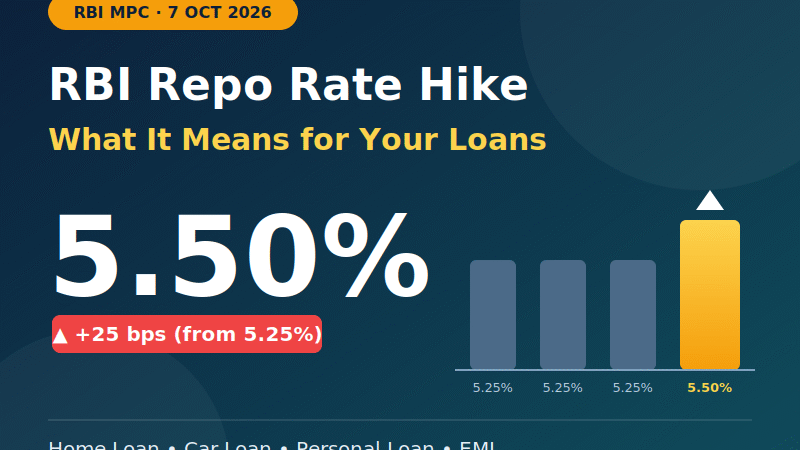
1. Interest rates stay stickier than you’d like. When inflation runs hot because of energy costs, the RBI has less room to cut interest rates — sometimes it even needs to hold or hike them to protect the rupee. That means your home loan or car loan EMI doesn’t get the relief you were hoping for.
2. Your “real” salary hike shrinks. If you got an 8% hike this year but fuel, food, and travel costs rose 6-7% quietly through the year, your actual improvement in purchasing power is barely 1-2%. On paper you’re earning more. In your bank balance, you don’t feel it.
3. Your SIPs feel more volatile. Oil price shocks tend to unsettle equity markets in the short term, especially sectors like aviation, paints, tyres, and logistics that are directly fuel-cost sensitive. If you’re a long-term SIP investor, this is short-term noise — but it’s the kind of noise that tempts people into panic decisions.
4. Discretionary spending takes the first hit. Rent, EMIs, and school fees are fixed. So when the overall cost of living rises, the squeeze lands first on the “flexible” parts of your budget — eating out, that weekend trip, the subscription you barely use.
So what can you actually do about it?
You can’t control crude oil prices or the war in West Asia. But you’re not powerless here — you just need to redirect your energy to the parts of your finances you can control.
- Track your “silent leak” categories. Fuel, delivery, and cab spending rarely get their own line item in most people’s budgets — they hide inside “miscellaneous.” Pull the last 2 months of your spends and see how much of the increase is genuinely fuel-linked.
- Batch your errands and deliveries. One combined grocery order instead of three impulsive ones saves more in delivery and surge charges than people realise over a month.
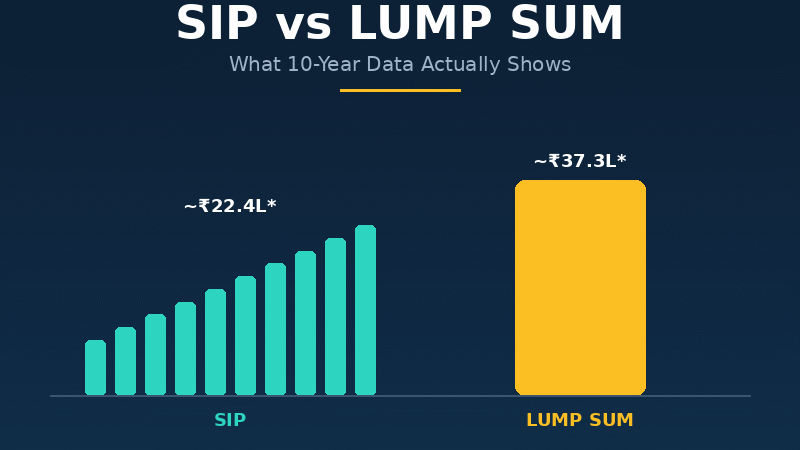
- Don’t let inflation talk push you into stopping your SIPs. Historically, staying invested through oil-driven volatility has rewarded patient investors far more than pausing during the dip.
- Build (or top up) your emergency fund now, not later. Rate-sensitive months are exactly when an emergency fund earns its keep — it stops a genuine crisis from becoming a high-interest personal loan.
- Re-check your loan interest rate. If you’re on an older, higher home loan rate, this is a good time to check whether refinancing or a rate-reset conversation with your bank makes sense — before rates potentially firm up further.
- Separate “news anxiety” from “financial action.” Oil price headlines are designed to feel urgent every single day. Your financial plan should run on quarterly reviews, not daily headlines.
The bottom line
Rising oil prices are one of those forces that never send you a bill with their name on it. They just make your existing bills — groceries, cab rides, cylinder refills, EMIs — a little heavier, month after month, until you look up and wonder where your salary went.
You don’t need to predict crude oil prices to protect yourself. You need a budget that accounts for silent inflation, an emergency fund that doesn’t depend on your next payday, and investments you don’t panic-sell when West Asia makes the news again.
The oil price cycle will turn eventually. The question is whether your finances are built to absorb the wait — or whether every headline is going to keep costing you sleep.
FAQs
Why do oil prices affect India so much more than other countries? India imports about 85-87% of the crude oil it consumes, making it one of the most import-dependent large economies in the world. Most of that oil is bought in US dollars, so both the price of crude and the rupee-dollar exchange rate affect the final cost.
Do petrol and diesel prices change every day in India? Yes. Since June 2017, India has followed a dynamic fuel pricing system where oil marketing companies revise petrol and diesel rates every morning at 6 AM based on international crude prices and the rupee-dollar rate.
How does rising crude oil affect my SIP or mutual fund investments? Oil price shocks can cause short-term volatility, especially in fuel-sensitive sectors like aviation, paints, and logistics. For long-term SIP investors, this is typically short-term noise rather than a reason to change your investment strategy.
Will fuel prices come down if crude oil prices fall globally? Not always immediately. Oil marketing companies sometimes absorb part of a crude price rise instead of passing it on, which means retail prices can lag behind both the rise and the eventual fall in global crude prices.