Understanding Exit Load in Mutual Funds: A Complete Guide
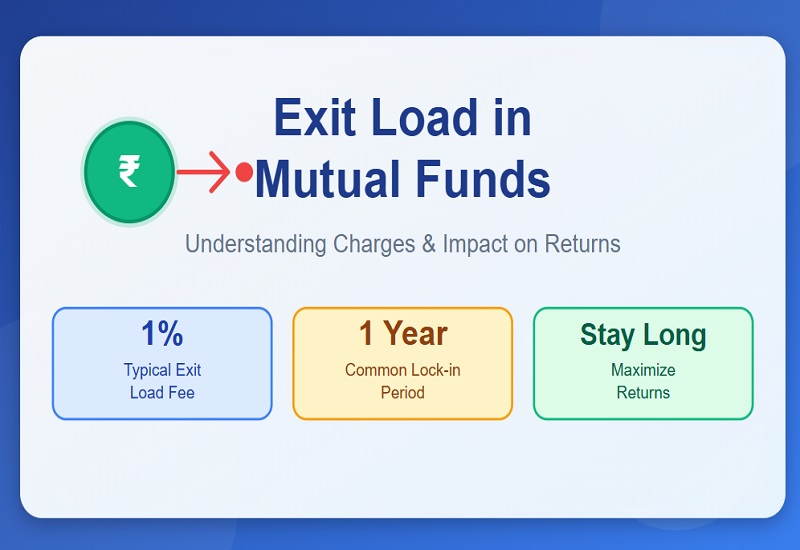
When you invest in mutual funds, there’s one small detail that often catches investors by surprise during redemption – the exit load. Let me break this down for you in simple terms.
What is Exit Load?
Exit load is essentially a fee that mutual fund houses charge when you withdraw or redeem your investment before a specified period. Think of it as a gentle deterrent that encourages you to stay invested for the long term, rather than making hasty decisions based on short-term market movements.
For example, if a fund has an exit load of 1% for redemptions within one year, and you redeem ₹1,00,000 worth of units within this period, you’ll actually receive ₹99,000 – the remaining ₹1,000 goes back to the fund (not to the fund house, importantly).
How Does Exit Load Work?
Here’s the typical structure you’ll encounter:
Common exit load patterns:
- Equity funds often charge 1% if you exit within 1 year
- Debt funds may have 0.25-1% exit load for exits within 3-12 months
- Many funds have zero exit load after the specified holding period
The exit load is calculated on the Net Asset Value (NAV) at the time of redemption. So if you’re redeeming units worth ₹50,000 and there’s a 1% exit load, you’ll pay ₹500 as the fee.
Important note: The money collected through exit loads doesn’t go into the fund house’s pocket – it goes back into the scheme itself, which actually benefits the remaining investors.
Real Impact on Your Portfolio
Let me walk you through how exit loads can affect your investment returns with a practical example:
Scenario: You invested ₹1,00,000 in an equity mutual fund with 1% exit load for redemptions within 1 year.
After 8 months, your investment grows to ₹1,15,000 (15% gain). You decide to redeem:
- Redemption value: ₹1,15,000
- Exit load (1%): ₹1,150
- Amount you receive: ₹1,13,850
- Effective gain: ₹13,850 instead of ₹15,000
While ₹1,150 might seem small, it chips away at your returns. More importantly, if you had waited just 4 more months, you’d have saved this amount entirely.
Why Do Mutual Funds Charge Exit Loads?
There are actually good reasons behind exit loads:
Discouraging short-term trading: Frequent buying and selling creates instability in the fund, forcing fund managers to keep more cash on hand rather than investing it optimally. This hurts all investors in the fund.
Protecting long-term investors: When someone exits early, the fund manager might need to sell securities to arrange cash. This can happen at inopportune times and affect the fund’s performance. The exit load compensates remaining investors for this disruption.
Aligning with fund philosophy: Mutual funds work best when you give them time to ride out market volatility and compound your returns.
Strategic Tips to Minimize Exit Load Impact
Plan your investment horizon: Before investing, check the exit load structure and ensure it aligns with your financial goals. If you need money within a year, consider funds with shorter or no exit load periods.
Use SWP wisely: Systematic Withdrawal Plans (SWP) are also subject to exit loads on each withdrawal if done within the exit load period. Time your SWPs accordingly.
Check before switching: When switching between schemes within the same fund house, exit loads usually apply unless explicitly waived.
Emergency fund first: Always maintain a separate emergency fund so you’re not forced to redeem mutual funds prematurely and incur exit loads.
Exit Load Across Different Fund Categories
Different types of mutual funds have varying exit load structures:
Equity funds typically have 1% exit load for one year, reflecting their long-term investment nature.
Liquid funds usually have no exit load or very minimal charges, as they’re designed for short-term parking of funds.
Debt funds vary widely – from no exit load to 1-2% depending on the fund’s duration and strategy.
ELSS funds have a mandatory 3-year lock-in period with no redemption allowed, so exit load becomes irrelevant.
The Bigger Picture
While exit loads might seem like an annoyance, they actually serve an important purpose in the mutual fund ecosystem. They encourage disciplined, long-term investing – which is exactly what you need to build wealth through mutual funds.
Think of exit loads as a helpful nudge from your fund house, reminding you that investing is a marathon, not a sprint. The best returns in mutual funds come to those who stay invested through market ups and downs, allowing the power of compounding to work its magic.
Bottom line: Don’t let exit loads scare you away from mutual funds, but do factor them into your investment planning. Choose funds based on your investment horizon, stay invested beyond the exit load period, and watch your wealth grow without unnecessary leakage.
Remember, successful investing isn’t about timing the market perfectly – it’s about time in the market. Exit loads are just one small part of ensuring you give your investments the time they deserve to flourish.