
How to start personal finance planning?

Let’s go step-by-step so you know how to start personal finance planning the smart and practical way 👇
🧭 What Is Personal Finance Planning?
Personal finance planning means managing your money intentionally — so you can:
- Cover your daily needs comfortably
- Save for future goals
- Invest wisely
- Protect yourself from risks
- And build wealth over time
💬 In short: It’s a plan to make your money serve your life goals — not the other way around.
🪜 Step-by-Step Guide to Start Personal Finance Planning
🧩 Step 1: Know Where You Stand (Track Income & Expenses)
Before planning, you need clarity.
Action:
- List your monthly income (salary, freelancing, rent, etc.)
- Track all expenses (use Excel, Google Sheets, or apps like Walnut / Money Manager / Notion)
💡 Try to categorize your spending:
| Category | Example |
|---|---|
| Fixed | Rent, EMI, insurance |
| Variable | Food, transport, bills |
| Discretionary | Movies, shopping, travel |
Goal: Know where your money goes every month.
💰 Step 2: Build a Budget
Follow the 50-30-20 rule as a starting point:
- 50% Needs (essentials)
- 30% Wants (lifestyle)
- 20% Savings & Investments
✅ Use this as a baseline, then adjust to your goals (e.g., 30% savings if you aim for early financial independence).
🏦 Step 3: Build an Emergency Fund
Before investing, create a safety net.
Why: In case of job loss, illness, or big expenses — you won’t have to take loans.
How much:
👉 6 months of expenses (in a savings account or liquid mutual fund).
💡 Example: If monthly expenses = ₹40,000 → Emergency fund = ₹2.4 lakh.
🧾 Step 4: Manage Debt Wisely
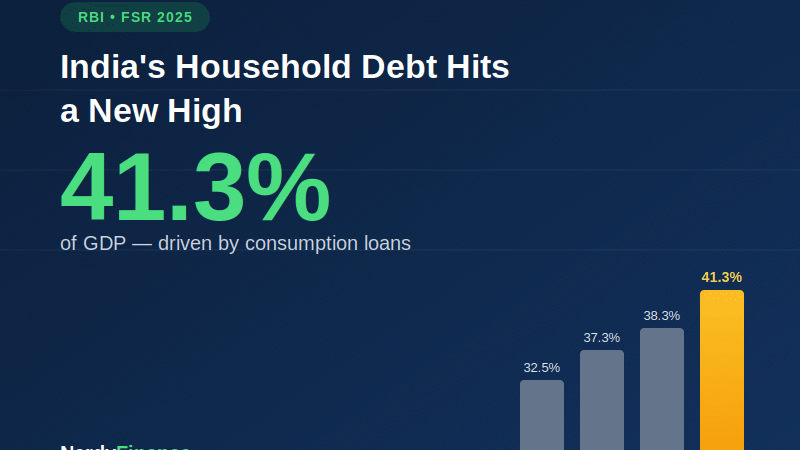
- Avoid high-interest debts like credit card balances or personal loans.
- Pay off loans with highest interest first.
- Keep EMI-to-income ratio < 40%.
📈 Step 5: Start Investing Early
Start small — but start now.
Beginner-friendly investment options:
| Goal | Investment Type | Risk | Return (approx) |
|---|---|---|---|
| Safety + Tax Saving | PPF, EPF | Low | ~7.1% |
| Long-Term Growth | Mutual Funds (Equity) | Moderate-High | 10–12% |
| Retirement | NPS | Moderate | 8–10% |
| Short-Term | FD / Liquid MF | Low | 6–7% |
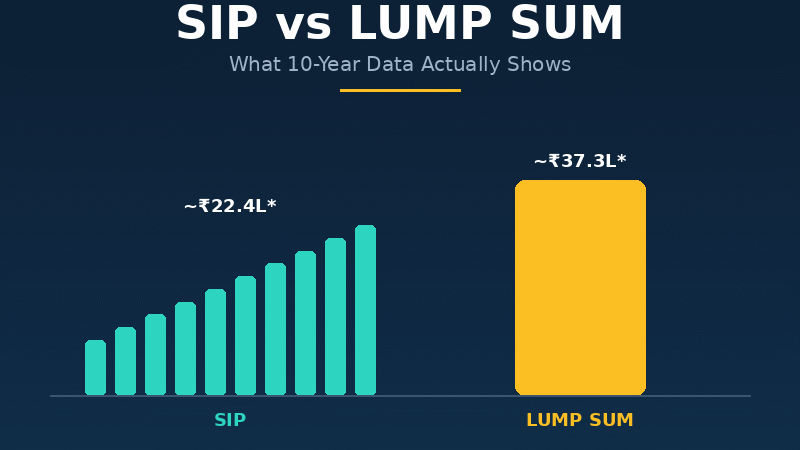
💡 Even ₹500–₹1000/month SIPs can make a huge difference over time.
🧠 Step 6: Get Insured
Protect your family and your future.
- Term Insurance – Life cover = 10–15× your annual income
- Health Insurance – Separate from employer coverage
- Accident/Disability Cover – Optional but useful
🎯 Step 7: Define Financial Goals
Write down your short-, medium-, and long-term goals.
| Time Horizon | Example Goals |
|---|---|
| Short (1–3 yrs) | Emergency fund, vacation |
| Medium (3–7 yrs) | Car, house down payment |
| Long (7+ yrs) | Retirement, child education |
Then match each goal with a suitable investment product.
🧮 Step 8: Automate and Track
- Automate your SIPs and bill payments.
- Review your finances every 3–6 months.
- Track net worth (Assets – Liabilities).
Use tools like:
- ET Money or Kuvera – portfolio tracking
- Google Sheets – for manual tracking
- Notion / Excel dashboards – for visual clarity
🧩 Step 9: Plan for Taxes
Use tax-saving options under Section 80C, 80D, and 80CCD(1B):
🪙 Step 10: Keep Learning
Finance is a lifelong skill.
Learn about:
- Inflation and compounding
- Mutual funds and SIPs
- Asset allocation
- Retirement planning
Small consistent learning → Big long-term advantage.
💬 Summary: Smart Money Flow
1️⃣ Earn
2️⃣ Save (Emergency Fund)
3️⃣ Insure (Protect)
4️⃣ Invest (Grow)
5️⃣ Plan (Retirement & Goals)
6️⃣ Review (Track and adjust)

One thought on “How to start personal finance planning?”